Charleston never slows down. Between bridge commutes, school runs, beach weekends, and a calendar full of festivals, most drivers don’t have room for surprise errands. A windshield chip feels small in the moment, then it grows a leg during rush hour on the Crosstown and you’re stuck juggling insurance calls and time off from work. I’ve spent years in the auto glass trenches around the Lowcountry, from Folly to Goose Creek, and I can tell you two truths that seem opposite but both hold up. First, a chip is almost always quick to fix. Second, ignoring it turns quick and cheap into slow and pricey.
This guide is meant to help you make the right call without overthinking it. We’ll look at how chip repair works for Charleston’s climate, when a replacement is the smarter move, how mobile service can save your day, and what to expect with insurance and ADAS calibration. I’ll lean on real timelines, not wishful thinking, and walk through the trade-offs that matter when you’re trying to keep life moving.
Chips behave differently in Charleston heat and humidity
Anyone who has parked on King Street in July knows that Lowcountry heat comes with a side of humidity that feels like soup. Glass reacts to those swings. A windshield that sits in full sun can reach 120 to 140 degrees. Crank the AC to high when you hop in and the inner surface drops fast, while the outer surface stays hot. That temperature mismatch makes a half-moon chip want to grow a line across the glass. It might not happen the first day, but I’ve seen a tiny chip turn into a six-inch crack between Mount Pleasant and West Ashley on a single drive.
Humidity adds another wrinkle. Moisture in the pit of a chip contaminates the break and makes it harder for resin to bond and cure. Pollen season doesn’t help either. The sooner you seal a chip, the better the odds of a clean, nearly invisible repair. If you can’t get it repaired immediately, cover the chip with a piece of clear tape and avoid power-washing or defroster blasts aimed straight at it. It’s not elegant, but it keeps the wound clean until a tech can inject resin.
What a proper chip repair really looks like
A lot of drivers imagine chip repair as a quick squirt of glue and a prayer. A good repair is more precise. A tech cleans out loose glass and any debris from the impact point. For stubborn breaks, we’ll use a probe to open micro-channels so resin can flow. A bridge tool sits over the chip, and under vacuum and pressure, we cycle resin into the break. UV light cures the resin, binding the layers together. On a street-corner chip, this takes about 20 to 30 minutes per break.
The goal is structural, then cosmetic. A successful repair restores most of the glass strength and stops the spread. Visually, expect the starburst or crescent to fade by 60 to 90 percent depending on the chip type and contamination. The crater is then filled and polished so wipers glide cleanly.
This brings up an important point for anyone searching windshield repair Charleston SC. Look for a shop that shows you the break under light before and after, explains what result is likely, and doesn’t oversell miracles. Resin can’t make a bullseye disappear if road grit has been ground into it for a month. What it can do is keep that bullseye from turning into a crack across your line of sight.
When to repair and when to replace
The rule of thumb is simpler than most people think. If the damage is smaller than a quarter, not in the driver’s direct line of sight, and not at the very edge of the glass, chip repair is usually the way to go. Once a crack branches outward more than three inches, especially near the perimeter where the glass bonds to the frame, you’re on borrowed time. The curvature of many modern windshields means edge cracks like to run long and fast.
Charleston’s bridges and uneven pavement make this worse, because chassis flex adds extra stress to the glass. I’ve seen tiny edge chips at the top corners of SUVs turn into foot-long cracks after a few trips over the Ravenel with a full car. If a tech recommends auto glass replacement Charleston SC instead of a repair, it is usually because of these stress zones, not because they’re trying to upsell. The trick is to choose folks who will repair when repair makes sense and replace when safety or longevity demands it.
Mobile solutions for busy days
The most common request I hear isn’t about cost or brands. It’s this: Can you come to me? Mobile auto glass Charleston SC exists for that reason. A competent mobile crew can handle chip repair in a driveway, an office parking garage, or outside the soccer fields. They carry UV lamps, battery packs, shades, and cleaning setups that make a parking lot work just fine.
For replacements, mobile service can still work, with a few caveats. The glass needs a stable surface, not a wind tunnel. Adhesives prefer dry, moderate conditions. Charleston hands us pop-up showers, sea breezes, and oak pollen by the pound. Good mobile teams carry tents and know how to pick sheltered spots. They also set expectations about safe drive-away time, which depends on the urethane used and the temperature. In many cases, a windshield replacement is safe to drive in 60 to 120 minutes, but I have told plenty of folks to give it a bit longer on cold damp days. A shop that rushes that timing is gambling with your airbags and roof strength.
What counts as fast without cutting corners
People call asking if a chip repair can be squeezed between a meeting and school pickup. Usually, yes. A single chip, start to finish, takes around half an hour. Two or three chips might push that to 45 to 60 minutes. The constraint is less the repair and more logistics and weather. I’ve run mobile routes that hit four cars before lunch, then watched a shower drift across James Island and pause us for an hour.
For same-day windshield repair Charleston SC, booking in the morning helps. For downtown work, parking access matters. If your garage requires a pass or height limit, tell the dispatcher. That one detail can be the difference between a smooth stop and a reschedule.
Understanding the glass you’re replacing
Not all glass is created equal. OEM, dealer-branded glass matches the original tint, acoustic layers, and frit patterns almost perfectly. Aftermarket glass ranges from very good to good enough. On many vehicles, reputable aftermarket windshields perform well and save money. On some models with complex ADAS sensor arrays or special acoustic interlayers, OEM can prevent headaches. The smarter conversation is not OEM versus aftermarket across the board, but your vehicle’s year and trim.
For example, late-model crossovers with forward cameras embedded near the mirror should get glass that matches the camera’s optical spec. This is not about brand loyalty, it’s about calibration. If your lane-keeping camera sees slightly different light refraction through a different glass composition, it can drift during ADAS calibration and cause false alerts or fail to detect lane markings consistently. That brings us to a big topic many drivers only find out about after the fact.
ADAS calibration is not optional anymore
Modern vehicles rely on Advanced Driver Assistance Systems for lane departure warnings, auto braking, adaptive cruise, and more. Many of these sensors aim through or mount to the windshield. If you replace that glass, those systems need calibration. Think of it like eye doctor settings for your car.
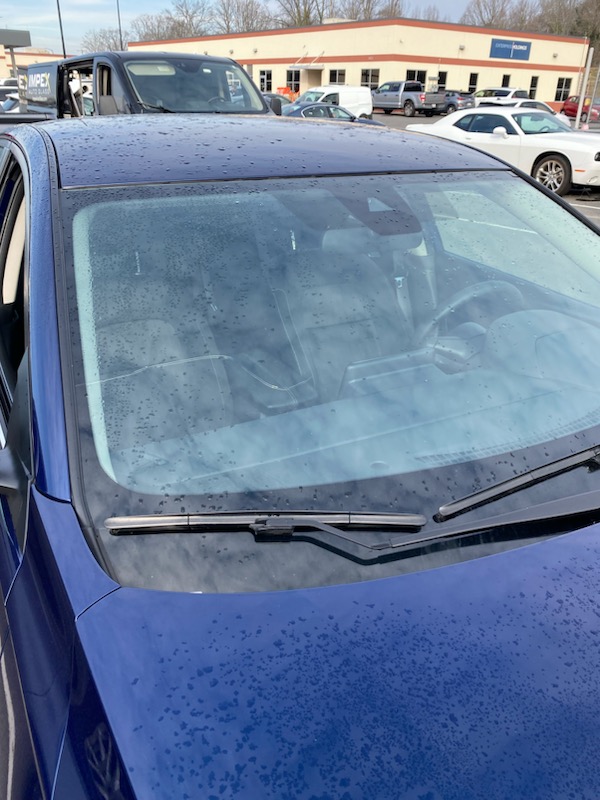
There are two flavors. Static calibration uses targets and precise measurements indoors or in a controlled space. Dynamic calibration involves driving at specified speeds under specific conditions while a scan tool monitors the system. Charleston’s mix of well-marked roads and, let’s be honest, some faded lines makes dynamic calibration a little tricky at times, but mobile auto glass charleston sc experienced techs know where to go for a reliable run.
When you search for ADAS calibration Charleston SC, seek a provider that can explain which method your vehicle requires and how long it takes. A typical calibration runs 45 to 120 minutes if the environment is right. It adds time to a replacement, but skipping it leads to nuisance warnings, disabled safety features, and in the worst cases, real safety risks. If your shop says calibration is “optional,” keep walking.
Rear and side glass have their own rules
Windshields are laminated, two sheets of glass fused to a plastic interlayer. Rear and side windows are usually tempered. When tempered glass breaks, it shatters into small cubes. There is no repairing that, so rear window replacement Charleston SC or side window repair Charleston SC almost always means a full swap.
Rear windows add a couple quirks. They often have defroster grids and sometimes antennas embedded. Matching those connectors and ensuring a clean bond around the edges prevents electrical gremlins and leaks. Side windows are faster to replace, but doors collect shards in the bottom channel. A good tech takes the time to vacuum the door cavities and the seat tracks. Cutting corners there means a week later you’ll hear marbles rolling inside the door every time you brake at Calhoun Street.
Speaking of leaks, water finds a way
Coastal air is unforgiving, and we get rain that drifts sideways. Glass leak repair Charleston SC isn’t just about the glass. Sometimes the culprit is a clogged sunroof drain, a pinched weather strip, or a blocked cowl vent. I’ve chased leaks that turned out to be a missing clip on a windshield molding and others that came from a cracked seam under the roof rack.
If your windshield was replaced and you smell mildew or hear wind whistle, don’t wait. Urethane cures best in specific conditions. If a mobile job was rushed in a storm or dust got into the bonding surface, you could have micro-gaps. A reputable shop will water test the perimeter and fix the seal. If they won’t, find someone who will. Moisture under carpet shows up as foggy windows in the morning and, eventually, the kind of electrical trouble that nobody has time for.
Insurance and cost: what you should expect
For many drivers, insurance decides how this plays out. With insurance auto glass Charleston SC, most carriers cover chip repair at low or zero out-of-pocket cost to encourage fixing damage early. The logic is simple, a $90 to $150 repair beats a $500 to $1,500 replacement. Comprehensive coverage typically handles glass. Deductibles vary widely, so pull up your policy or ask the shop to help with a claim. Better shops can verify coverage and bill directly, saving the awkward phone tree.
Be wary of deals that sound too good. Quality resin matters. Proper urethane matters. Calibration adds legitimate time and cost. You’re paying for adhesives that meet crash standards, glass that matches your vehicle’s spec, and technicians who know the difference between sealing a leak and making one. The best value is the repair you do once.
The value of mobile auto glass for work and family logistics
I’ve handled dozens of on-site repairs for nurses on 12-hour shifts, parents juggling practice drop-offs, and contractors who can’t have their truck off the job. Mobile auto glass Charleston SC solves the real constraint, which is your calendar. The thing to focus on is coordination. If your vehicle has ADAS sensors, confirm whether calibration can be done mobile or if you’ll need a quick visit to a calibration bay. If your parking garage blocks cell coverage, give a contact to meet the tech at the entrance. Small details shave big chunks off the day.
There’s also an advantage to daylight. Chips show up under angled sunlight. If a tech arrives in the evening and the vehicle sits under oak shade, they need a good inspection light to find tiny legs coming off the impact. I keep a few in the tool bag for that reason, but if you can choose your slot, mid-morning light and dry conditions make for the best repair.
What makes a shop worth trusting
Charleston has several solid auto glass providers, and the right one for you might be the one that can match your timing and your car’s needs without drama. When vetting shops for auto glass Charleston SC, listen for specifics. Do they ask how many chips, where on the glass, and whether any cracks touch the edge? Do they mention curing times and safe drive-away windows? Are they clear about ADAS requirements for your model year?
A shop with a real warranty will explain what it covers. For chip repairs, a common promise is that if the repaired chip spreads, they’ll credit what you paid toward a replacement. For replacements, look for lifetime leak and workmanship coverage while you own the vehicle. A promise is only as good as the people, but clear terms tell you the shop stands behind the work.
Safety is the hidden headline
It’s easy to think of glass as just glass. On modern vehicles, the windshield is a structural component. It backs up the airbag and helps maintain roof integrity in a rollover. A poor bond undermines those systems. I’ve seen windshields installed with old urethane left in ridges, or worse, with contaminated pinch welds where the primer wasn’t applied. Those are the jobs that whistle at 55 miles per hour and might not hold under stress.
If you’re scheduling windshield repair Charleston SC or a full replacement, ask the tech to walk you through the bonding process they use. They should mention cleaning, priming if needed, urethane bead type, and cure time. These are not trade secrets. Good work likes daylight.
A quick story from the field
A few months ago, a teacher in West Ashley called about a small star chip that had appeared after a run on I-526. She had a stacked week, no time to sit in a waiting room. We set a mobile appointment during her planning period with permission from the school office. I arrived to find not one but three small chips scattered low on the passenger side, all likely from the same gravel spill. Because she covered the first one with clear tape the day it happened, the resin filled cleanly and the result was almost invisible. The two fresh ones took well too. Total time, 40 minutes, including setup and cleanup.
We used a pit-filler resin to smooth the surface so the wipers wouldn’t click over the spots. Cost to her was zero because her comprehensive policy covered chip repair. The key detail was speed. If she had waited until the weekend, a couple days of heat and an afternoon storm could have pushed one chip into a crack. Instead, she kept her original windshield and went straight back to class.
Planning for replacements without wrecking your schedule
Sometimes replacement is unavoidable. A long crack in your line of sight, a deep edge crack, a shattered rear window from an errant golf ball, or a smashed side window after a break-in calls for new glass. You can still manage it without losing a workday. Order glass early in the day when possible. If your vehicle isn’t a rare trim, a local warehouse might have it in stock. If not, next-morning delivery is common in the Charleston area.
For vehicles with calibration needs, bundle it with the replacement so you only block out one window of time. If you need to get back on the road quickly, ask about fast-cure urethane that still meets safety standards. The safe drive-away time may be an hour or two rather than half a day. Build in a buffer. I tell folks to schedule their errands around the cure time rather than leave themselves tempted to jump in early.
Common mistakes that create bigger problems
One of the most preventable issues I see is power-washing over a fresh chip. High-pressure water forces moisture and contaminants into the break. Another is trying over-the-counter resin kits without first cleaning the chip properly. Those kits can help in a pinch, but if you trap dirt, a pro repair later won’t be able to clear the contamination. Finally, don’t slam doors with a window up when a crack has already formed. The cabin pressure spike can send a crack sprinting.
When it comes to replacements, rushing a vehicle onto gravel or washboard roads right after installation can flex the body and disturb the curing adhesive. I’ve seen a brand-new windshield start to squeak because the vehicle hit a pothole 20 minutes after install. Give it the hour or two it needs, avoid car washes for 24 to 48 hours, and keep the dash free of heavy mounts that press against the glass.
What to expect on price and timing in practical terms
For chip repair Charleston SC, most single repairs fall in the $90 to $150 range, with small add-ons for multiple chips done in the same visit. Mobile service fees are often included within a local radius. A windshield replacement for an older sedan without ADAS can land between $300 and $500 with quality aftermarket glass. For newer SUVs with acoustic interlayers, rain sensors, and forward cameras, expect $700 to $1,400, sometimes more with OEM glass and calibration. Rear window replacements commonly run $250 to $600 depending on defroster and tint. Side glass usually sits in the $200 to $400 band.
Timelines vary with parts availability. Common models can be done same day or next day. Specialty trims might take 2 to 5 days. Calibration adds around an hour or two. These aren’t scare numbers, they’re the realities that help you plan rather than scramble.
Quick, calm decisions win the day
The faster you decide to handle a chip, the more options you keep. A covered chip can be repaired on your schedule, often at your driveway, often at little or no out-of-pocket expense. Wait until that chip turns into a crack, and you’re looking at more time, more money, and an added calibration step if your vehicle uses windshield-mounted sensors.
If you’re searching for auto glass Charleston SC, prioritize shops that communicate clearly, handle insurance smoothly, and offer mobile options. If you need rear window replacement Charleston SC or side window repair Charleston SC after a break-in, choose a team that cleans up the mess thoroughly and checks for hidden shards. If your vehicle needs ADAS calibration Charleston SC after a windshield replacement, treat that step as essential, not extra. And if you suspect a leak after any glass work, ask for a proper water test, not just a quick wipe and hope.
Charleston drivers have enough on their plates. You don’t need to learn everything about resins, frits, and urethane chemistry to make a good decision. Keep it simple. Seal small damage fast. Replace when safety or crack length calls for it. Use mobile service to fit the work into your day. Expect calibration for modern cars and plan accordingly. With that approach, the chip that popped up somewhere between the Ravenel and Coleman won’t turn into a week-long detour.
A compact road map for your next step
- If the chip is fresh, cover it with clear tape, avoid drastic temperature swings, and schedule mobile chip repair within a day or two. If you see a crack longer than a few inches, especially near the edge, get a replacement quote that includes ADAS calibration if your car has it. Ask shops about resin quality, urethane cure time, and warranties. Expect specifics, not vague promises. Coordinate mobile service around weather and parking. Share garage restrictions or school/office access notes upfront. After any glass work, avoid high-pressure washes for 24 to 48 hours and listen for wind noise that could signal a sealing issue.
Final thought from the driver’s seat
I’ve repaired glass in driveways shaded by live oaks, on busy job sites with compressors humming, and in quiet cul-de-sacs while kids chalked the sidewalk. The best outcomes weren’t about fancy tools. They came from quick decisions, clear communication, and respect for the details that make glass work last. If you treat a chip like a task to handle, not a problem to worry over, you’ll keep your schedule intact and your view of the road clean.